
Anaheim Car Accident Lawyer
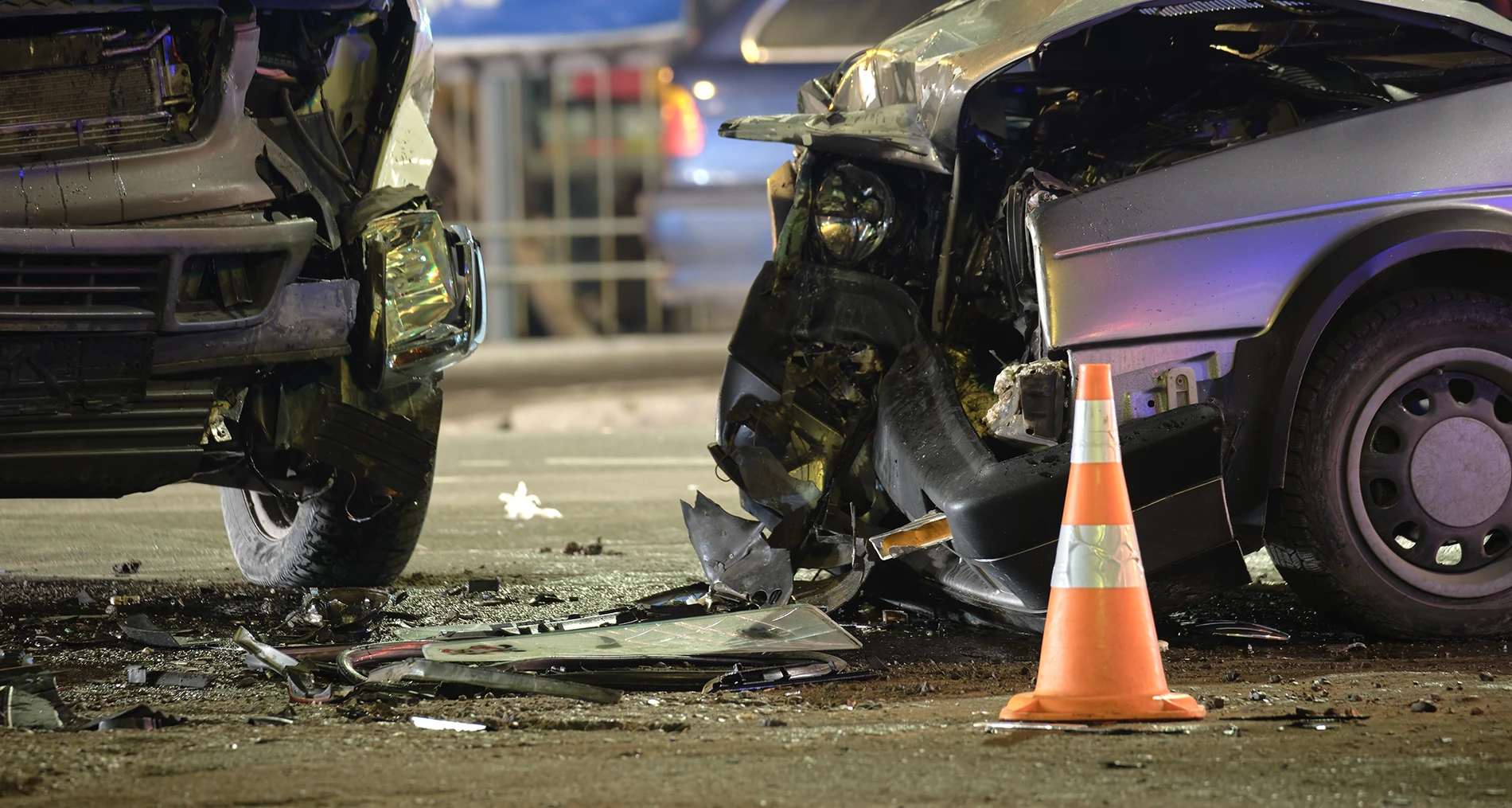
A repair estimate does not answer every question after a crash. If you were injured, you may also need to establish who caused the collision, document your losses, identify available insurance, and understand what a settlement would release. Those issues can remain unresolved even while a vehicle claim is moving forward.
Saeedian Law Group handles car accident injury claims and offers a free consultation to people hurt in Anaheim. You can ask about disputed fault, an insurance request, a proposed release, or evidence that may need prompt attention. Not every collision requires an attorney; the right next step depends on the injuries, the facts, and the coverage involved.
Put safety and medical needs ahead of the claim
Call 911 for an emergency or injuries requiring an emergency response. Move away from traffic only when it is safe, follow responders’ instructions, and seek appropriate medical evaluation for injuries or concerning symptoms. Do not enter traffic, revisit an unsafe scene, or delay care to collect evidence.
When safe, exchange driver, vehicle, and insurance information, obtain witness contact details, and photograph the vehicles and scene. Give accurate information and distinguish what you actually observed from what you are unsure about. Keep the incident number and the responding agency’s name; they help you find the right report later.
Find the collision report through the agency that investigated
If Anaheim Police handled the collision
Start with Anaheim Police’s report-request page. It provides a separate request route for non-fatal traffic collision reports and explains who may receive records. Access depends on your authorized interest and applicable release restrictions; a report is not automatically available to everyone who asks.
APD’s Records Bureau is at 425 S. Harbor Blvd., Anaheim, and lists 714-765-1990 for records questions. Confirm the correct process, availability, and any requirements before visiting or requesting a record. For a fatal collision or uncertainty about which request route applies, ask the bureau rather than assuming the non-fatal option is appropriate.
Requesting an existing report is different from reporting an incident for the first time. APD’s Traffic Safety page distinguishes report retrieval from online reporting for non-injury accidents or hit-and-run incidents. Do not assume that a non-injury online form is appropriate for an injury crash or replaces contacting police when needed.
If CHP handled the collision
Use the CHP crash-report process, not APD’s request route. CHP provides a Crash Portal for parties of interest and a CHP 190 request option by mail or in person at a CHP Area office. Follow its current identification, eligibility, and fee instructions.
Use the agency and case information from the incident card to identify the record. A freeway name alone does not reliably identify the investigating office or establish which agency holds your report.
For ordinary drivers involved in an injury or fatal crash, California Vehicle Code section 20008 generally requires a written report to police or CHP within 24 hours. Special rules can apply, including when a driver is physically unable to report. Promptly confirm what was filed and whether you must provide anything further. Asking for a copy later is not the same as satisfying an initial reporting duty.
Treat the DMV SR-1 as a separate task
The California DMV’s accident-reporting page explains the SR-1 requirement. Generally, a driver must report within 10 days when a crash involves an injury of any severity, a death, or damage exceeding $1,000 to any one person’s property, subject to statutory exceptions.
This filing is separate from a police or CHP report and from notifying an insurer. A report made to one does not automatically satisfy the others. An insurance agent, broker, or legal representative may submit the SR-1 on the driver’s behalf; confirm that it was actually submitted rather than assuming someone else handled it.
The SR-1 is not a lawsuit and does not resolve fault or award compensation.
Build a fault account from evidence, not labels
A negligence claim generally requires proof that someone failed to use reasonable care, that you were harmed, and that the failure was a substantial factor in causing that harm. A collision report may help identify accounts, vehicles, and witnesses, but it is not a binding civil determination of responsibility. A ticket, or the absence of one, does not by itself settle the injury claim.
California’s comparative-fault rules generally reduce recoverable damages by the injured person’s share of responsibility. An adjuster’s allegation that you were partly at fault is something to evaluate against the evidence, not a percentage you must automatically accept.
Useful material may include:
- Original photographs and dashcam files, with dates and available identifying details preserved.
- Witness names and contact information, and a factual account written while events are fresh.
- The incident number, report, insurance correspondence, and claim numbers.
- Medical records and bills documenting treatment, together with records supporting missed work and other losses.
- Information identifying a nearby camera or potentially relevant vehicle data, without assuming a recording or usable data exists.
Keep material you can lawfully obtain. Do not enter private property without permission, access another person’s phone or accounts, alter files, or delete potentially relevant records. Tell a lawyer promptly if a vehicle may be repaired, sold, or disposed of, or if a recording may be overwritten, so appropriate preservation steps can be considered without compromising safety or necessary transportation.
A preservation request does not guarantee that evidence exists or will be produced. Access to event-data-recorder information can require consent, a court order, or another lawful basis under rules including Vehicle Code section 9951. Private records and footage may require permission or legal process.
Separate your own coverage from the other driver’s claim
Notify your own insurer promptly and review your policy’s reporting and cooperation requirements. Your insurer may request information or a statement under the policy. Do not assume you can refuse every request without affecting coverage; ask for advice if an obligation or proposed authorization is unclear.
The other driver’s insurer evaluates a claim against its insured. Before providing a recorded statement, signing a broad authorization, or accepting a disputed account of the collision, consider getting advice about the request and its scope. Be truthful in all communications and keep copies.
Coverage needs to be checked rather than presumed:
- Collision coverage may address vehicle damage, subject to the policy and deductible.
- Medical payments coverage, if purchased and applicable, may help with covered medical expenses regardless of fault, up to its limits.
- Uninsured or underinsured motorist coverage may apply to qualifying injury claims, but it may have been waived and has distinct legal and policy conditions. UIM is not simply an extra policy limit added to every settlement.
- A hit-and-run does not automatically create UM coverage. Claims involving an unidentified driver can raise physical-contact requirements and very short reporting and sworn-notice requirements under Insurance Code section 11580.2.
Work-related driving, delivery, rideshare use, multiple vehicles, or a public vehicle can change the coverage analysis. Those facts warrant individual review rather than a single insurance rule for every crash. Our California car accident service page provides the broader statewide overview.
Understand what a settlement would resolve
An injury claim may include supported medical expenses, lost earnings, future losses, and legally recoverable pain and suffering. The available categories and amount depend on proof, causation, shared fault, insurance, and other legal restrictions. For example, Civil Code section 3333.4 can limit non-economic damages for certain uninsured owners or drivers, subject to exceptions; it does not mean every uninsured person loses every claim.
Before settling, identify which claims a release covers. A document accompanying a vehicle payment may be limited to property damage or may be broader; read its actual terms rather than assuming the injury claim remains open. Also consider outstanding bills and any reimbursement or lien issues that may affect the amount you keep.
There is no reliable settlement range based only on an injury label or an Anaheim address. An offer should be assessed against the evidence and what rights would be given up, not an online table.
Decide whether legal help is needed before a deadline or evidence problem
A straightforward property-damage-only matter may be manageable without representation. An injury consultation can be particularly useful when:
- Fault is disputed or more than one driver may be responsible.
- Injuries affect work, require continuing treatment, or leave future losses uncertain.
- An insurer denies coverage, disputes causation, or requests a release you do not understand.
- Video, vehicle data, or other potentially important evidence may be lost.
- A government entity, work-related vehicle, unidentified driver, or UM/UIM policy is involved.
- A child was injured or you are unsure which deadline applies.
Many California personal injury lawsuits are subject to a two-year limitation under Code of Civil Procedure section 335.1. The actual deadline depends on accrual, the claim, the parties, and any applicable exceptions or tolling. Different deadlines can apply to insurance benefits and other claims.
If a public entity may be responsible, a written government claim is generally required within six months after the claim accrues under Government Code section 911.2. That is a separate pre-lawsuit requirement, not the later lawsuit deadline. Minority does not automatically extend public-entity claim requirements.
Do not assume that discussions with an adjuster, a pending report request, or a demand letter extends a filing deadline. Ask for an individual deadline review promptly, including if you think a deadline may already have passed.
If a lawsuit is needed, confirm venue and assignment
An Anaheim collision does not mean a case is filed at the courthouse closest to the scene. If Orange County is a proper county for the lawsuit, the Superior Court’s designation list assigns limited and unlimited civil cases from Anaheim to the Central Justice Center in Santa Ana, with separate assignment for complex civil cases. Applicable venue rules, case type, and current court orders still need to be checked.
The courthouse does not supply a dependable formula for settlement value, and no outcome can be predicted from a supposed local jury profile.
Talk with Saeedian Law Group about your next step
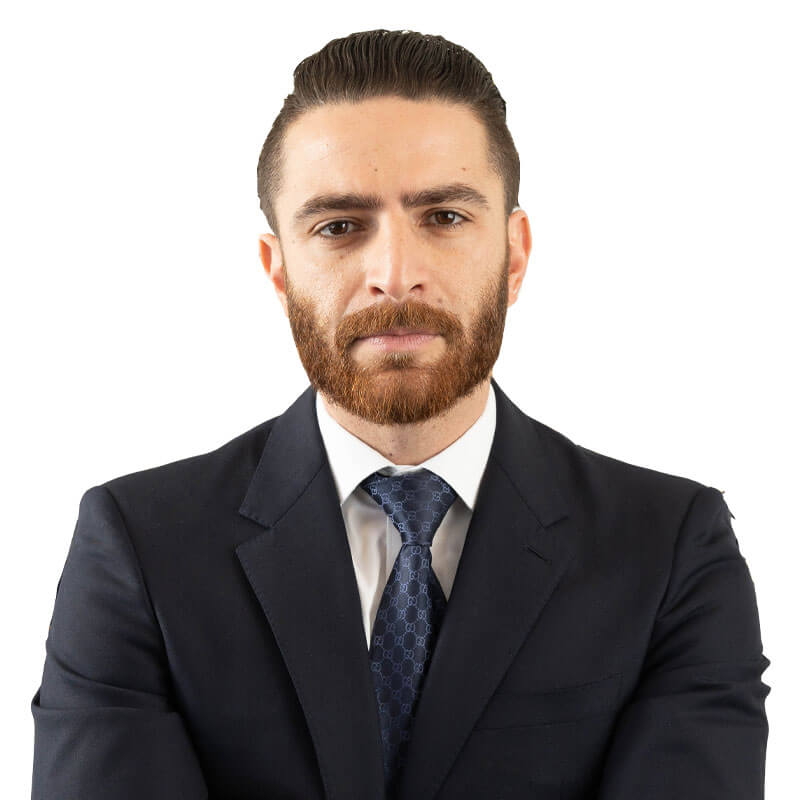
Saeedian Law Group’s personal injury practice includes car accident claims. Michael Saeedian is the firm’s founding attorney; you can learn more about the firm. Its published offices are in Beverly Hills, Rancho Cucamonga, and Encino—not Anaheim.
The firm offers a free consultation and advertises contingency-fee representation. Before hiring a lawyer, review the written agreement for the fee, case costs, and how expenses affect any recovery. A free consultation is not a guarantee that a case will be accepted or that compensation will be recovered.
Call (310) 288-3000 or request a consultation. If available, have the incident number, the investigating agency’s name, insurance correspondence, and any proposed release ready. You do not need to finish collecting every document before asking about an urgent deadline or evidence concern.
If your injury did not arise from a car collision, our Anaheim personal injury page explains the firm’s broader injury practice.
This page provides general information about California injury claims. It is not legal advice for a particular case.
I was referred to Saeedian Law Group by a friend and couldn’t be happier with my experience with this firm! Everyone was professional, attentive, and pleasant to work with. I wasn’t familiar with how these cases work but Mr. Michael Saeedian explained everything every step of the way and made me feel comfortable that I was being represented by the best people. Thank you!!!




Nearby Cities We Serve for Car Accident Cases
Saeedian Law Group handles car accident cases across Southern and Northern California. If Anaheim is near your incident, these neighboring cities are also served by our team:
Other Anaheim Injury Cases We Handle
Whether your incident falls outside car accident, we represent Anaheim residents across a full range of California personal injury matters:
Browse all California personal injury practice areas or see every California city we serve for jurisdiction-specific information.