
When a train hits a car, the size and momentum of the train can crush the car in seconds, often causing severe injuries or fatalities. After the shock of the crash, the most pressing question becomes who is legally responsible for the damages.
Typically, the liability may rest on the car driver, the railroad company, or even multiple parties, depending on the circumstances of the crash. In some cases, fault is shared, and liability is divided according to each party’s percentage of fault.
If you’ve been injured or lost a loved one in a train-car accident, Saeedian Law Group can help you get the compensation you deserve. With over 16 years of experience, our car accident lawyers can investigate train accidents, prove negligence, negotiate settlements on your behalf, or represent you in court. Schedule a free consultation with us today.
In this blog, we’ll explain what happens when a train collides with a car, how liability is determined, the legal consequences, and the steps you should take after the incident.
What Happens When a Train Hits a Car?
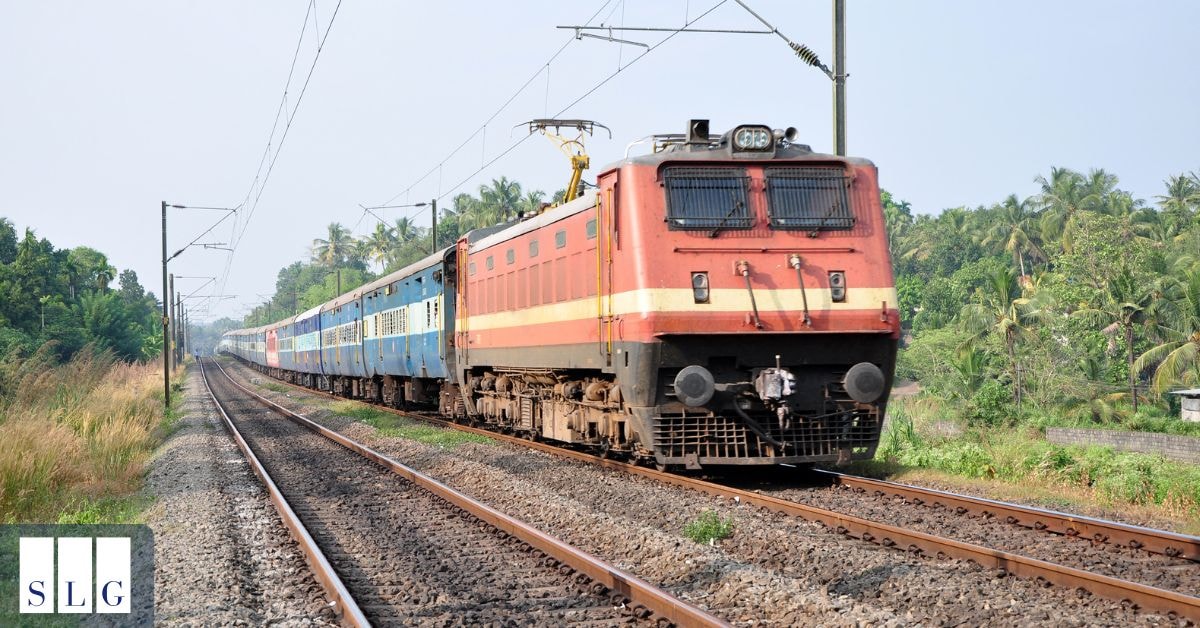
When a train collides with a car, the car’s thin frame and lighter materials crumple immediately under the force. The train’s front is solid and reinforced, so it transfers nearly all its kinetic energy into the smaller vehicle. The impact can crush the passenger compartment, shatter windows, and rip the car’s structure apart.
Trains are much heavier than cars. While a typical passenger car weighs around 1.5 tons, a freight train can weigh up to 4,000 tons. Even at low speeds, the mass of a train gives it enormous momentum, which is many times greater than that of a car. This difference in momentum means that at the point of collision, the train barely slows down, but the car absorbs nearly all the crash energy.
Because the force is so great, even safety features like airbags and seat belts cannot fully protect the occupants. The sudden change in speed can also throw people forward or sideways violently, causing serious or fatal injuries. Meanwhile, after the initial strike, the car may hit the ground, other vehicles, or fixed objects like crossing gates or posts, adding to the damage and injury risk.
Another major reason train–car collisions are so deadly is that trains cannot stop quickly. Steel wheels on steel rails have very little friction. Even with emergency braking, a train moving at 45 mph may need 200–400 meters to stop. At higher speeds, that stopping distance can reach nearly a kilometer. This means that once a car is on the tracks and the train is close, the collision becomes almost unavoidable.
Who Is Liable When a Train Hits a Car?
The car driver, the railroad company, or sometimes other parties, can be held liable when a train hits a car. It all boils down to which party’s negligence caused the accident.
1. When the Driver Is At Fault
The driver of the car can be held liable when their actions violate crossing safety regulations. Such actions may include ignoring flashing red lights or lowered gates, trying to beat the train, ignoring posted warnings, or stopping too close to the tracks.
In some cases, drivers go around barriers or enter the crossing when traffic ahead is blocked, leaving them stranded on the tracks. In these scenarios, the driver’s negligence directly contributes to the accident. As such, they or their insurance company may be required to cover damages to the train, the tracks, and any injuries or deaths.
2. When the Railroad May Be at Fault
Railroad companies can also bear liability if they fail to ensure safe crossing conditions. This can happen when gates, lights, or bells are not functioning, or when overgrown vegetation blocks a driver’s view of oncoming trains.
Operating a train at unsafe speeds for the area, or the train operator failing to sound the horn and bell as required, can also make the railroad responsible. If these failures contributed to the crash, the railroad may be required to pay part or all of the compensation to victims or their families.
3. Shared Responsibility (Comparative Negligence)
If both the car driver and the railroad were negligent in causing the accident, they may share liability. This is known as pure comparative negligence under the California Civil Code. Under this rule, the jury assigns fault percentages to each party, and damages are divided accordingly.
For example, if a driver ignores a warning signal at a railroad crossing and collides with an approaching train, but the crossing lights were malfunctioning, the railroad may still share some responsibility. This system ensures that liability is based on the actions of all parties involved rather than blaming only one side.
Other Parties Who Might Be Liable
Sometimes, liability in train accident cases goes beyond the driver and the railroad. Other parties may be held responsible if their negligence contributed to the accident. For example:
- Local or state government agencies may be liable if the design or maintenance of the crossing is unsafe.
- Construction crews, including railroad engineers, can also be at fault if their work blocks sightlines or disables warning systems without providing proper temporary signals.
- In some cases, a vehicle manufacturer may bear responsibility if a defect, such as a sudden stall or locked doors, traps the car on the railroad tracks and prevents escape.
How Liability Is Determined When a Train Hits a Car
Accident investigation teams determine liability by examining whether the driver, the railroad, or another party was negligent. They gather physical evidence from the scene, review footage from the train camera, and check data from signals and crossing gates.
They may also review witness statements and environmental factors, such as weather or visibility at the time of the incident. The goal is to understand the chain of events and identify which actions directly caused or contributed to the collision.
Once a fault is established, the matter typically moves to insurance negotiations or, if necessary, to court. Victims or their families can seek compensation for medical bills, lost wages, pain and suffering, and wrongful death.
What to Do After a Train Hits Your Vehicle

Car-train accidents can cause life-threatening injuries and major property damage. Nevertheless, what you do immediately afterward can make a big difference for your safety, medical recovery, and legal rights. Here, we’ve provided a detailed guide to what to do immediately after the crash and in the days that follow:
- Ensure Your Safety First: Your life and safety should be your top priority. By all means, get yourself and any passengers out of the car and away from the tracks immediately. Be especially cautious and act quickly if the train is still moving or if there are approaching trains. Don’t try to retrieve personal items from the car until it is safe to do so.
- Call Emergency Services: Dial 911 as soon as possible. In the call, give clear details about the location, the grade crossing name or number if available, and the condition of anyone who is injured. Emergency responders can dispatch local police, fire service, medical personnel, or other relevant authorities to manage the situation and prevent further damage.
- Get Medical Attention: We recommend you get checked by a medical professional immediately, even if you feel fine. Remember, the collision can cause internal injuries, head trauma, or spinal damage that may not show symptoms at the time of the accident. Depending on the severity of your injuries, paramedics at the scene can provide initial treatment. But make sure to still get a full evaluation at a hospital or clinic.
- Gather Your Own Evidence: If you’re able and if it’s safe, take photos or videos of the scene. Capture the car, train, tracks, crossing signals, and any skid marks or debris. Take note of weather conditions, lighting, and visibility. If you can, get the names and contact details of any witnesses. This information can come in handy if there is a dispute about what happened, especially in cases where fault may be shared between you and the railroad.
- Cooperate With Police and Railroad Investigators: Local police officers and railroad investigators may need your account of what happened. Answer questions honestly, but avoid making guesses or accepting blame before the facts are established.
- Notify Your Insurance Company: Contact your auto insurance provider as soon as possible to report the crash. Make sure you provide them with the facts and documentation you’ve gathered. You should also avoid giving recorded statements to the railroad’s insurance representatives before speaking with your own insurer or a lawyer.
- Seek Legal Assistance: Train accidents often involve complex liability questions and large financial stakes. However, a personal injury lawyer experienced in train collisions can help protect your rights, deal with insurance companies, and pursue compensation for medical bills, lost income, and other damages.
What Are the Legal Consequences of a Train-Car Collision?
An accident involving a train and a car can have far-reaching legal consequences for all parties involved. Therefore, understanding the possible legal outcomes can help drivers, passengers, and their families prepare for what may follow in the event of a collision.
Regulatory Investigations
Train accidents usually trigger investigations by agencies such as the Federal Railroad Administration (FRA), state transportation departments, and sometimes the National Transportation Safety Board (NTSB).
These agencies check whether safety protocols were followed, whether crossing equipment was functioning, and whether crew members acted appropriately. Their reports can influence both civil and criminal cases, and they may recommend safety improvements to prevent similar accidents in the future.
Criminal Charges
If investigators discover that a driver’s negligence directly caused the crash, they may face criminal charges. They may be charged for reckless driving, running a railroad crossing signal, or vehicular manslaughter in fatal cases.
Depending on the severity of the offense, possible penalties may include fines, license suspension, or even imprisonment. The charges may be heavier if there were aggravating factors, such as driving under the influence. In some cases, train engineers and other crew members, or railroad officials, can also face charges if negligence on their part contributed to the accident.
Civil Liability for Damages
Civil lawsuits are common after train–car collisions because the damages are often far beyond what insurance policies alone can cover. The party at fault, whether the driver, the railroad, or both, may be required to pay for damages. These can include repair or replacement of the train and tracks, medical expenses, lost wages, pain and suffering, and, in fatal cases, wrongful death claims.
Insurance Claims and Disputes
Both the driver’s and the railroad’s insurance companies will likely be involved in settling claims. The settlement negotiations can take a long time, especially when there’s a dispute about the liability. Because car accident settlements can be substantial, it’s not uncommon for insurers to dispute responsibility, which can delay payouts.
Long-Term Legal Consequences
If the car driver is at fault, the collision can lead to higher insurance premiums, a permanent mark on their driving record, and restrictions on license renewal. In cases where criminal charges are involved, the consequences can include probation or mandatory safety courses.
For liable railroads, they may face large settlements, safety upgrades, or increased regulatory oversight. In some cases, new crossing designs or warning systems may be mandated as part of the resolution.
How Does Insurance Work When a Train Hits a Car?
When a train collides with a car, the insurance process is often more complex than in a standard vehicle accident. That’s why you need to understand how insurance works in these cases so you can navigate the process more effectively and avoid costly mistakes.
The first step is to figure out whose insurance will pay for damages. If the car’s driver is at fault, their auto insurance policy is usually the primary source of coverage. This may include liability coverage for damage to the train, tracks, and other property, as well as bodily injury claims from injured parties. Meanwhile, because policy limits are often far lower than the total damages for train and rail infrastructure, the railroad may seek additional compensation through legal action.
If the railroad is at fault, its corporate liability insurance will typically cover damages, including repair costs, medical bills, and wrongful death settlements. It may also cover lost wages and pain and suffering for injured parties. In cases of shared fault, both insurance companies may pay according to each party’s percentage of responsibility.
Why You Need Legal Representation in Train Accident Cases
Because the stakes are high, it’s common for the car owner’s insurer and the railroad’s insurer to dispute fault. The disagreements can delay settlements, especially when the accident report leaves room for interpretation. As such, you need to work with a personal injury attorney.
Experienced injury attorneys can help file claims correctly, communicate with multiple insurers, and negotiate fair settlements. They can also ensure that you don’t accept lowball offers, especially when future medical expenses or long-term disabilities are involved.
How To Prevent Train-Car Accidents
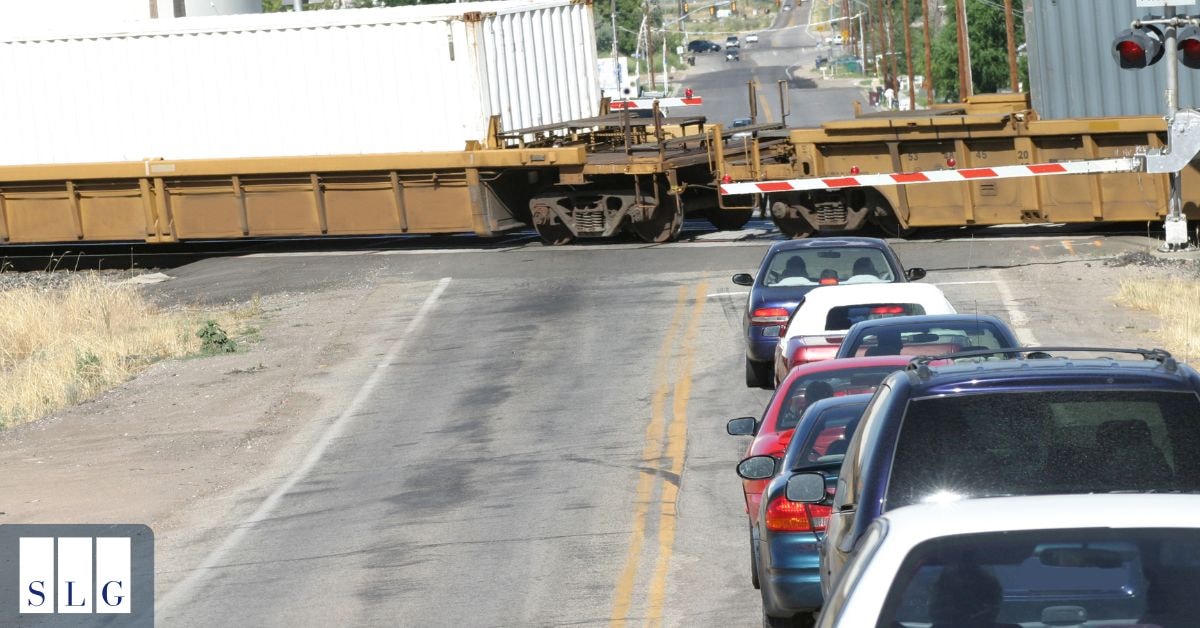
According to Operation Lifesaver, there were 2,257 highway–rail grade crossing collisions in 2024, resulting in 264 deaths and 760 injuries across the U.S. But most of these accidents can be prevented with the right combination of driver responsibility and railroad safety measures.
For Car Drivers
Here are some precautions you can take as a driver to minimize the chances of being hit by a train.
- Always obey safety rules at crossings, such as crossing signals, flashing lights, and lowered gates. You should be especially cautious at rural crossings where there may be no gates or lights.
- Slow down when approaching crossings, look both ways, and listen for train horns. At night or in poor weather, you need extra caution because trains can be harder to see until they are close.
- In case your vehicle is stuck on the tracks, make sure everyone exits immediately and moves away from the tracks at a diagonal angle toward the direction the train is coming from. This reduces the risk of being hit by flying debris. You can also call the emergency phone number posted at the crossing to alert train operators.
For Railroads and Train Operators
Here are some precautions railroads can take to minimize the chances of colliding with vehicles:
- Railroads can work with local authorities to improve lighting and visibility at crossings. They should remove overgrown vegetation, reposition or remove visual obstructions, and add reflective signs. Better lighting can make crossings easier to identify at night, giving drivers more time to react.
- Secondly, railroads can use warning signals such as flashing LED lights, lowering gates, and audible alarms to warn motorists.
- Moreover, railroads should conduct frequent inspections to confirm that all crossing equipment is working properly. Malfunctioning gates or signals should be repaired immediately.
- High-risk crossings can be prioritized for upgrades, and in some cases, low-use crossings can be closed altogether.
- Additionally, railroads can partner with organizations and schools to raise awareness about train safety. Programs like Operation Lifesaver provide education on the dangers of ignoring warnings and the importance of staying alert near tracks.
Need Legal Assistance After a Train Accident?
Train-car accidents are almost always severe physically, emotionally, and financially. However, understanding how these accidents happen, who may be liable, and how to respond afterward can make a significant difference in the outcome of your case.
If you or someone you love has been involved in a train-car accident, you need an experienced legal team on your side. At Saeedian Law Group, our California injury attorneys have helped personal injury victims recover over $100 million in compensation. Call us today for a free consultation and let us fight for the compensation you deserve.
FAQ
Apart from understanding what happens when a train hits a car, train-car accidents raise a lot of questions about safety, liability, and prevention. With 16+ years of experience in handling car accidents and personal injury cases, our attorneys have provided straightforward answers to some of the most common concerns people have about these accidents.
Can a Car Survive a Train Collision?
In most cases, no. Even at low speeds, the massive size and momentum of a train can crush or throw a car, causing severe damage. While a vehicle might remain partially intact, the force involved usually makes the crash deadly or causes serious injuries.
Who Pays for Damages After a Train Accident?
It depends on who is found at fault. If the driver caused the accident, their insurance may cover damages to the train and injuries. If the railroad is responsible, its insurance will usually pay for losses.
What Legal Rights Do Victims Have After a Train–Car Collision?
Victims can seek compensation for medical bills, lost income, and pain and suffering through insurance claims or lawsuits. They also have the right to legal representation and to pursue wrongful death claims if a loved one is killed.
How Can Drivers Avoid Accidents at Railroad Crossings?
Drivers should always obey crossing signals, never try to beat a train, and only cross when there’s enough space to clear the tracks completely. It’s also important to stay alert and look both ways, especially at unprotected crossings.
What Should I Do if My Car Gets Stuck on the Train Tracks?
Exit the vehicle immediately and move away from the tracks at a diagonal angle toward the train’s direction of approach. Call the emergency number posted at the crossing to alert train operators as quickly as possible.
How Fast Do Trains Travel and How Long Does It Take Them to Stop?
Freight trains often travel between 40 and 60 mph, while passenger trains can exceed 80 mph. Depending on speed and weight, it can take a train from several hundred meters to over a kilometer to come to a complete stop.
What Are the Most Common Causes of Train–Car Collisions?
The most frequent causes include drivers ignoring crossing signals, trying to beat trains, or becoming trapped on the tracks. Poor visibility, faulty signals, and unsafe crossing design can also play a role.

Michael Saeedian founded Saeedian Law Group in 2009 with the goal of providing injured individuals and their loved ones with caring, personalized, and attentive legal representation.