

If you’re involved in a motorcycle accident, taking the right steps immediately can help protect your health, your rights, and your ability to recover compensation. After an accident, you should seek medical attention immediately, call 911, document the accident scene, notify the police and your insurance company, and get an official accident report. It’s crucial to contact a motorcycle accident lawyer for legal guidance and representation throughout the process.
If you’ve been injured or lost a loved one in a motorcycle accident, Saeedian Law Group can help you get the compensation you deserve. With over 16 years of experience, our motorcycle accident lawyers can investigate motorcycle accidents, negotiate settlements on your behalf, handle insurance companies, or represent you in court. Contact us today for a free consultation.
This blog explains exactly what to do after a motorcycle accident, how to handle insurance and settlements, and why working with an experienced attorney can make a big difference in your recovery.
What Should You Do Immediately After a Motorcycle Accident?
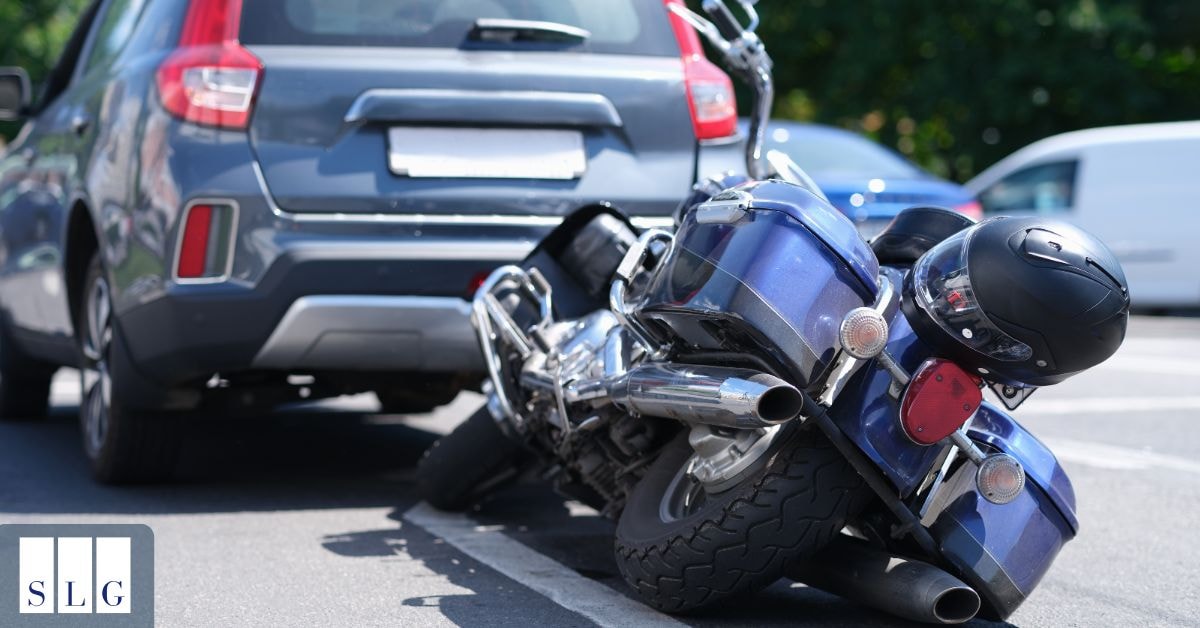
After a motorcycle accident, it is important to act quickly and carefully to protect your health, your legal rights, and your safety. Here are the essential actions to take immediately.
1. Ensure Safety and Call for Help
Your first concern should always be safety. If you can move, get yourself out of the road. You can move the motorcycle to safety, too, but only if you can do so without making injuries worse. Next, call 911 or emergency services right away.
Sometimes, injuries that seem small at first, like head trauma or internal bleeding, can become serious in no time. So, call emergency services even if you think your injuries or damage are minor. Emergency responders will not only provide medical care but also secure the area to prevent additional accidents, especially on busy roads or highways.
2. Stay at the Scene and Notify the Police
Make sure you never leave the scene of a motorcycle accident. In most places, leaving the scene before exchanging details or speaking with law enforcement can be considered a “hit and run,” which carries serious penalties. Even if you believe the accident was minor, you must remain there until it is handled properly.
When you contact law enforcement, answer their questions honestly but stick to the facts. Do not speculate about details you are unsure of, and never admit fault at the scene. The police report will be one of the key documents that insurance companies and possibly lawyers will use to determine fault. Hence, it is best to keep your statement clear and factual.
3. Document the Accident Scene
One of the most helpful things you can do for yourself after an accident is to collect evidence while it is fresh. If possible, take photos of the accident from several angles. Capture important details such as the positions of all vehicles, your motorcycle, skid marks, traffic lights or stop signs, road conditions, and any visible injuries. These photos can help prove exactly what happened, even if the other driver’s story changes later.
Write down the time of the crash, weather conditions, and anything unusual about the roadway, such as potholes, construction zones, or debris. If your phone allows, consider recording a short voice memo with these details. Documentation like this can strengthen your case if you need to file an insurance claim or pursue legal action.
4. Exchange Information with the Other Parties Involved
After making sure everyone is safe and stable, approach the other driver or drivers calmly. Collect their full name, phone number, and address. You can also ask to see their driver’s license and note down the license number. You should also record the make, model, and license plate number of their vehicle. Keep the conversation polite and short, and avoid arguments or blaming.
This is also the moment to remind yourself not to admit fault. You may feel the urge to apologize out of courtesy, but even a simple “I’m sorry” can be taken as an admission of responsibility later. Instead, stick to exchanging information. If the other driver refuses to share details, wait for the police to arrive.
5. Get Insurance and Witness Information
Ask the other driver for their insurance company name, phone number, and policy number. This is essential for the claims process. Make sure you write it down correctly or take a photo of their insurance card for accuracy. Without this, you may struggle to file your claim.
If there are eyewitnesses to the motorcycle accident, ask for their names and phone numbers as well. Witnesses can provide unbiased accounts that support your version of events. For example, if a car cut you off and caused the crash, a witness statement confirming this can carry a lot of weight with insurance companies or in court.
6. Report the Accident to Your Insurer
Once you are safe and have gathered information, call your insurance company as soon as possible. Most insurers require you to report an accident promptly, often within 24 hours. Provide them with the basic facts, such as where and when the accident happened, who was involved, and the contact and insurance details of the other driver.
Again, be careful about giving recorded statements or speculating about fault. Insurance adjusters may ask questions in a way that makes it sound like you are admitting responsibility. Stick to the facts, and do not accept any settlement offers before you understand the full extent of your injuries and damages. It’s best to hire a motorcycle accident lawyer or personal injury attorney to help you deal with the insurance company and protect your rights.
7. Get a Thorough Medical Evaluation

Even if you believe you were not seriously injured, it is crucial to get a full medical evaluation as soon as possible. The adrenaline rush after a motorcycle crash often hides pain, so you may not notice the true extent of your injuries right away. Conditions such as whiplash, concussions, or internal injuries can remain hidden until they become dangerous. But with a proper medical check-up, a doctor can run tests and catch issues early, which makes treatment easier and recovery faster.
In addition to protecting your health, a medical evaluation creates important documentation. Insurance companies often question claims if there is no medical record immediately following the accident. For example, if you wait several days before seeking medical care, the insurer may argue that your serious injuries were caused by something other than the motorcycle crash. So, it’s much easier to prove that your injuries were directly caused by the accident when you have prompt medical records.
8. Contact a Motorcycle Accident Lawyer
Once you have taken care of your health, it is wise to contact an experienced motorcycle accident attorney. The insurance claims process can be complicated, and insurance companies often try to settle quickly for less than you deserve. So, you need a lawyer who understands motorcycle accidents to guide you through the process, protect your rights, and make sure you do not accept an unfair settlement.
An attorney can also investigate motorcycle accidents more thoroughly than you might be able to on your own. They may gather additional evidence such as traffic camera footage, expert accident reconstruction reports, or sworn witness statements. This professional support can be critical if the other driver disputes fault or if your injuries require long-term care.
How to Notify Your Insurance Company and File for Benefits

Notifying your insurer is one of the most important steps you must take after an accident. You need to file benefits quickly and correctly to protect your claim and ensure you get the coverage you’re entitled to. Take the following steps:
- Notify Your Insurance Company Immediately – Most insurance policies require you to report an accident as soon as possible, typically within 24 hours. Delays can raise red flags and give the insurance company an excuse to reduce or deny your benefits. When you call, stick to the facts and avoid speculating or accepting fault.
- Provide the Required Information – Your insurer will usually ask for details such as the names, phone numbers, and addresses of everyone involved. They may also request the insurance information of the other driver, license plate numbers, driver’s license details, police report number, and photos or videos of the incident. Having everything organized helps prevent mistakes and makes the process faster.
- Understand the Type of Coverage You’re Using – In an insurance policy, different aspects may apply depending on the accident. Therefore, you need to understand which benefits apply so that you ask the right questions and avoid confusion. For example, liability coverage pays for damages if you are at fault and injure others. Collision coverage helps pay for repairs or replacement of your motorcycle. Medical payments (MedPay) or Personal Injury Protection (PIP) can cover medical expenses, regardless of fault.
- Be Careful with Insurance Adjusters – After reporting the accident, an insurance adjuster will likely reach out to you. Their job is to investigate the claim and decide how much the company will pay. Be polite, but cautious. Do not give recorded statements without understanding your rights, and do not sign documents you haven’t read fully.
- File the Benefits Claim and Keep Records – To officially file for benefits, you’ll need to submit the claim form your insurer provides, along with any supporting documents such as the police report, medical records, and repair estimates. Always keep copies of what you send in, including dates, in case of disputes.
- Consider Legal Help if Needed – If your insurance company delays, denies, or offers you far less than what you need, it may be time to consult a motorcycle accident attorney or personal injury lawyer. Lawyers understand the tactics insurers use and can negotiate on your behalf. Legal support comes in handy, especially in motorcycle accident cases where injuries are serious, medical bills are high, or fault is being disputed.
How Fast Do You Need to File a Motorcycle Accident Claim?
In California, the statute of limitations for filing a motorcycle accident claim is generally two years from the date of the crash. This means that you could lose your right to compensation if you don’t file a claim or lawsuit within this period.
However, the case is different if your accident involved a government entity. For example, if you crashed because of a dangerous road condition maintained by the city or were hit by a government vehicle, a different rule applies. Under the California Tort Claims Act (CTCA), you must file an administrative claim with the government agency within six months of the accident.
Once you file the claim, the government has 45 days to respond. If they deny your claim, you then have only six months from the date of denial to file a lawsuit in court. This is a much shorter deadline than for typical injury cases, and if you miss it, you may lose your right to sue.
These strict deadlines make it critical to act quickly and consult with a personal injury attorney experienced in California Tort Claims cases. Moreover, acting quickly is especially important because evidence can fade over time. Witnesses may forget details, traffic camera footage may be erased, and accident scenes change rapidly. Additionally, filing a claim early also gives your lawyer more time to gather police reports, medical records, and expert opinions to support your case.
How Much Are Most Motorcycle Accident Settlements?

Most motorcycle accident settlements fall somewhere between $20,000 and $80,000 for moderate injuries where the rider recovers after medical treatment. For more severe cases, such as broken bones, surgeries, or long recovery periods, settlements often range from $100,000 to $500,000 or even more. Catastrophic injuries, like spinal cord damage, traumatic brain injuries, or permanent disability, can push settlements well above $1 million.
It’s important to remember that settlements for motorcycle accidents can vary widely because every case is different. There is no fixed “average” that applies to everyone. Factors that determine what is considered fair compensation include the severity of the injuries, the amount of medical treatment needed, the impact on the motorcycle accident victims, clarity of fault, motorcycle accident laws in their state, insurance coverage, and the quality of evidence presented.
So, two motorcycle riders in a personal injury claim with similar injuries may receive very different amounts based on these factors. The settlement amount aims to cover different types of damages caused by the accident. Such elements include medical expenses, lost wages, physical pain and suffering, emotional distress, property damages, and wrongful death.
Settlements are often faster, less stressful, and provide guaranteed compensation. In fact, according to the U.S Bureau of Justice Statistics, about three percent of personal injury claims go to trial. That is to say that most motorcycle accident claims are settled outside of court. However, if negotiations fail, a case may go to trial, where a jury or judge decides the compensation.
In court, how much the at-fault driver pays depends on the clarity of fault. If your negligence contributed to the accident, you may share liability with the other parties involved. Under the California Civil Code, this is known as pure comparative negligence. The rule allows the judge to divide the damages according to the fault percentage assigned to each negligent party.
The Role of a Lawyer in Maximizing Settlements
Insurance companies often try to settle quickly and for as little as possible in motorcycle accident cases. Without legal guidance, many injured riders accept these low offers. That’s why it’s recommended to work with a motorcycle accident lawyer. An experienced lawyer will calculate both current and future losses, gather medical evidence, and negotiate aggressively for a fair settlement.
Need Help Dealing With Motorcycle Accident Injuries?
The actions you take right after a motorcycle accident can impact your health, your claim, and your financial future. By calling for help, seeking medical treatment, documenting the scene, and notifying the proper parties, you create the foundation for a strong case and protect yourself from unfair blame or low settlement offers. These steps are essential for both your recovery and your ability to pursue fair compensation.
If you or a loved one has been injured in a motorcycle accident, Saeedian Law Group is here to help. Our experienced personal injury lawyers in California can guide you through the insurance process, negotiate with insurers, and fight for the full compensation you deserve. Reach out to us today for a free consultation and let us stand by your side every step of the way.
FAQ
Motorcycle accidents often raise urgent questions about what to do next, who is responsible, and how the process works with insurance and medical care. Here, our attorneys with over 16 years of experience at Saeedian Law Group have provided straightforward answers to some of the most common concerns you may have after a crash.
How to Report a Motorcycle Accident to the Police?
You can report a motorcycle accident by calling 911 immediately after the crash. The responding officers will document the scene, take statements, and file an official report. A police report becomes crucial evidence for insurance claims and any legal action.
Who’s at Fault in a Motorcycle Accident?
Fault is usually determined by police reports, witness statements, and sometimes accident reconstruction. It depends on which driver violated traffic laws or acted negligently. In some cases, both parties may share partial responsibility.
What Happens if You Crash Your Motorcycle?
If you crash, you should first check for injuries and call emergency services for help. Your motorcycle may suffer property damage, and your insurer will investigate the claim. Depending on the cause, you may be responsible for repairs and medical bills.
Does a Motorcycle Accident Affect Your Car Insurance?
Yes, a motorcycle accident can affect your overall insurance history. Even though motorcycle and car insurance are separate policies, insurers may view you as a higher risk after a crash. This can lead to increased premiums across your policies.
What Are the Risks of Accepting an Early Settlement?
Accepting an early settlement often means giving up your right to seek further compensation later. Insurance companies typically offer less than what your claim is worth to close the case quickly. Once you agree, you cannot go back for more, even if new injuries appear.
Should I Seek Medical Attention After a Motorcycle Accident?
Yes, always seek immediate medical attention, even if you feel fine. Some injuries, like concussions or internal bleeding, may not show symptoms right away. A prompt medical evaluation protects your health and strengthens your insurance or legal claim.

Michael Saeedian founded Saeedian Law Group in 2009 with the goal of providing injured individuals and their loved ones with caring, personalized, and attentive legal representation.