
Yes, your car insurance can cover you if you hit a pedestrian while driving, but how it applies depends on your policy and who is at fault. In most cases, the driver’s liability coverage pays for the pedestrian’s medical bills and related expenses, and other coverages like PIP, MedPay, or UM/UIM may also come into play. Understanding how these coverages work is important because it can determine whether you’re fully protected or left paying out of pocket.
If you’re involved in a pedestrian accident, Saeedian Law Group can help protect your interests in the insurance claim process. With 16+ years of experience, our pedestrian accident attorneys understand how to handle insurance companies, fight claim denials, and negotiate fair compensation. Contact us today for a free consultation and let us protect your rights.
This blog explains who is at fault in pedestrian accidents, what types of car insurance apply, how insurance claims work, situations where coverage may be denied, and the steps to take after hitting a pedestrian.
What Is a Pedestrian Accident and Who’s at Fault?
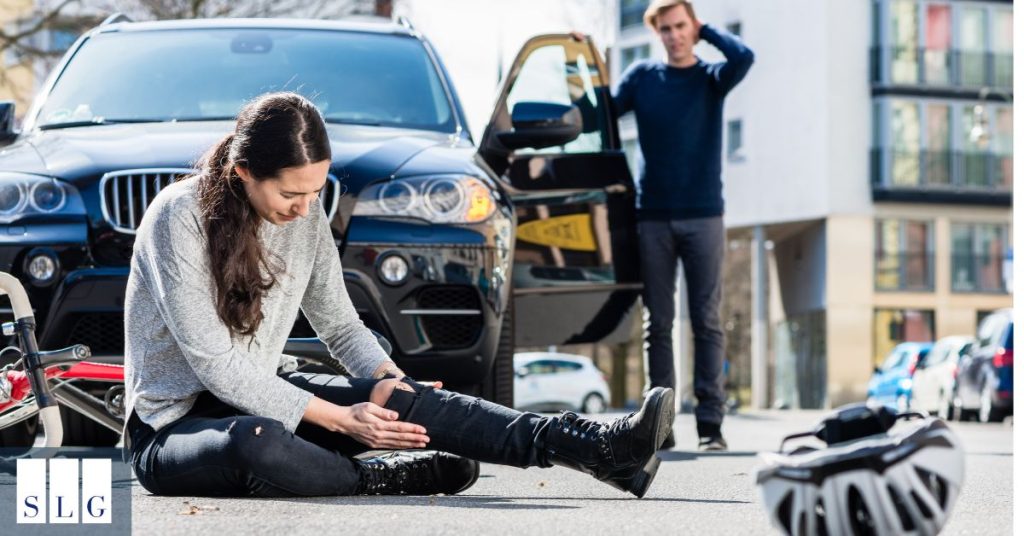
A pedestrian accident occurs when a vehicle hits a person who is walking, standing, or running near a roadway. It may happen at an intersection, sidewalk, crosswalk, parking lot, or even on a highway if a pedestrian crosses improperly. Pedestrian-car accidents often lead to severe injuries because pedestrians have much less protection than drivers or passengers.
After such an accident, one of the most important steps is to determine fault. This is because who is at fault directly influences who pays for damages, medical expenses, legal claims, and settlements. Insurance companies and courts use fault to decide financial responsibility.
In a pedestrian accident, fault depends on negligence. That is, whether the driver, the pedestrian, or sometimes both, failed to follow traffic laws or acted carelessly.
- As a driver, you may be considered at fault if you were speeding, distracted, running a red light, failing to yield at a crosswalk, or driving under the influence. In most cases, drivers are expected to exercise extra caution around pedestrians.
- On the other hand, a pedestrian may be partially or fully at fault if they jaywalk or cross against a traffic signal. They may also be liable if they suddenly enter the street from between parked cars or walk in areas not meant for pedestrians. For example, stepping into traffic outside a crosswalk can shift liability to the pedestrian.
- In many states, both the driver and pedestrian can share liability if they were both negligent in some way. For instance, a driver may have been speeding while a pedestrian crossed outside a crosswalk.
Depending on state law, damages may be reduced according to each party’s percentage of fault. For instance, California follows a pure comparative negligence rule. This means that even if you’re at fault for 99%, you can still claim damages for the 1% for which you’re not at fault. The percentage of fault is determined by the judge.
Does Car Insurance Cover if You Hit a Pedestrian?
Yes, car insurance can cover situations where you hit a pedestrian, but the specific coverage depends on the type of insurance you carry and how the accident occurred. Let’s look at the different types of coverage in detail.
1. Liability Coverage
If you’re at fault for the accident, your bodily injury liability insurance is usually the first coverage that applies. This part of your auto insurance pays for the pedestrian’s medical expenses, lost wages, rehabilitation costs, and sometimes even pain and suffering.
Liability coverage may also pay for the pedestrian’s legal fees if they sue you. Because liability insurance is mandatory in most states, this is the most common way a pedestrian’s damages are paid. However, if the pedestrian’s claim exceeds your policy limits, you could be personally responsible for the remaining costs.
2. Personal Injury Protection (PIP) or Medical Payments Coverage (MedPay)
In no-fault states, PIP or MedPay can apply to both you and the pedestrian, regardless of who caused the accident. Personal Injury Protection (PIP) typically covers medical bills, lost income, and essential services like childcare or housekeeping if injuries prevent the victim from performing them.
On the other hand, MedPay is usually more limited, focusing just on medical and funeral expenses. These coverages are especially important because they ensure prompt medical treatment without waiting for fault to be determined.
3. Uninsured/Underinsured Motorist (UM/UIM) Coverage
This applies if the pedestrian does not have their own insurance or if they attempt to sue you for damages beyond what your liability covers. In some cases, if another driver contributed to the accident but doesn’t have sufficient insurance, your UM/UIM can also step in to protect you financially. This coverage is optional in many states but strongly recommended, since lawsuits involving severe pedestrian injuries can result in very high claims.
Situations That Could Limit or Deny Car Insurance Coverage
Certain circumstances can cause car insurance companies to limit payouts or deny coverage altogether when you hit a pedestrian. You need to understand these exceptions to know when your policy protects or when you’re personally responsible for damages.
- Driving Under the Influence (DUI): If you were under the influence of alcohol or drugs at the time of the accident, your insurance company may deny paying for damages. That means you’ll personally pay for medical bills, lawsuits, and potential criminal penalties.
- Intentional or Criminal Acts: It’s important to emphasize that insurance is designed for accidents, not intentional harm. Therefore, your auto insurance policy will not cover the damages if investigators find that you deliberately hit a pedestrian. This also applies if you used your vehicle in a road rage incident or committed another crime with your car.
- Driving Without Permission or in Excluded Use: Your insurance company may deny coverage if you were driving a vehicle without the owner’s permission. Another reason is if you’re using your car in ways not covered by your policy. For example, the insurer may deny coverage if you’re using your car for commercial purposes when you don’t have business-use coverage.
- Policy Lapses or Insufficient Coverage: If your policy was inactive due to missed payments, there is no coverage. Even with active insurance, coverage can be limited if your driver’s liability insurance limits are too low. For example, if the pedestrian’s medical bills exceed your coverage limits, you’ll pay for the rest directly.
- Pedestrian Contributory Negligence: In some states, if the pedestrian is even slightly at fault, such as jaywalking or ignoring signals, coverage payouts may be reduced or denied. In comparative negligence states, payouts are reduced based on the percentage of the pedestrian’s fault. Although it doesn’t always eliminate coverage, it can significantly reduce what your insurance company pays.
- Non-Covered Locations or Situations: Some policies exclude auto accidents on private property, off-road areas, or when using your vehicle for activities like racing or other excluded uses. If you hit a pedestrian in one of these scenarios, your insurer may deny coverage, leaving you responsible.
How Insurance Claims Work in Pedestrian Accidents
When a pedestrian accident occurs, insurance claims become the central process for determining how medical bills, lost wages, and damages will be covered. The exact way claims are handled depends on state laws, the type of insurance coverage involved, and who is found at fault.
The first step is notifying both law enforcement and your insurance company. You can obtain police reports to serve as an official record of the event. To make sure your insurance claim is not delayed or denied, you need to provide early notification to your insurer. Pedestrians may also need to notify their own health or auto insurance provider, depending on available coverage.
Once the claim is filed, the insurance company investigates. The investigation may involve both the driver’s car insurance company and the pedestrian’s insurer. During the investigation, they review police reports, speak with witnesses, analyze photos or video evidence, and consider both parties’ statements. The goal is to determine fault and whether the policyholder’s coverage applies to the pedestrian’s injuries.
In no-fault states, the pedestrian’s own health insurance coverage may apply first, regardless of fault. If they determine that the driver is at fault, the pedestrian may receive fair compensation from the at-fault driver’s liability insurance.
Most times, the compensation covers medical expenses, rehabilitation, lost income, and sometimes pain and suffering or emotional distress. If the damages exceed the driver’s liability coverage limits, the injured accident victims may sue the driver directly or rely on uninsured/underinsured motorist coverage if available.
If either party disagrees with the insurer’s decision, it may lead to disputes. Both parties can hire attorneys to negotiate a personal injury settlement or file a lawsuit. In the ensuing pedestrian accident claim, the court decides liability and what fair compensation should be.
What to Do if You Hit a Pedestrian While Driving

If you hit a pedestrian in a motor vehicle accident, how you respond in the moments afterward can make a huge difference. You need to stay calm and take the right steps for both legal and insurance reasons. Here’s what you should do.
First, stop immediately and ensure safety. Never leave the scene, as doing so could attract hit-and-run charges. Pull over safely, turn on your hazard lights, and make sure you and the pedestrian are out of immediate danger.
Then, call emergency services right away, even if the injuries seem minor. Remember that some car accident injuries, such as internal bleeding, may not be apparent immediately. It’s recommended that medical professionals evaluate the pedestrian, and police officers will file an official report. This report is vital for insurance claims and proving what happened.
Meanwhile, assist but don’t admit fault. You can offer reasonable help, such as calling for an ambulance or keeping the injured person comfortable until help arrives. However, avoid saying things like “It was my fault” or apologizing, as those statements could be used against you later. Even when the police arrive, answer their questions honestly but stick to the facts.
In the meantime, exchange information. Give your name, contact details, driver’s license, vehicle registration, and insurance information to the pedestrian or police. If there are witnesses, you can politely request their names and contact information, too, since their testimony may help clarify fault.
Make sure you document the scene. It’s good practice to take photos of the accident site, including the vehicle, crosswalks, traffic signals, and any visible injuries. Also, write down details like the time, weather, and what you remember happening. These records can protect you if there’s a dispute later.
Moreover, notify your insurance company as soon as possible. Provide them with the police report, photos, and any other evidence. If you sustained any injuries in the incident, you may have to inform your health insurance company, too. Prompt reporting helps prevent delays or denials in coverage.
Ultimately, seek legal guidance. Lawsuits are common in car accidents involving pedestrians due to the significant injuries that are often involved. An experienced pedestrian accident lawyer can help you understand your liability, protect your rights, and handle negotiations with the insurance company.
Need Support After a Pedestrian Accident?
Knowing how different insurance coverages apply when you hit a pedestrian can make a big difference. From determining fault to negotiating compensation, you need to be aware of every step of the insurance claims process to protect your rights. That’s why it’s best to work with an experienced pedestrian accident lawyer for proper guidance and legal representation.
If you or a loved one were involved in a pedestrian accident, Saeedian Law Group is here to help. As experienced personal injury lawyers in California, we can guide you through the insurance process, negotiate with insurers, and fight for the full compensation you deserve. Contact us today for a free consultation and let us stand by your side every step of the way.
FAQ
Since fault and insurance coverage can vary by situation, handling pedestrian accident claims can be confusing. That’s why our personal injury lawyers with over 16 years of experience at Saeedian Law Group have compiled comprehensive answers to some of the most common questions to guide you.
Who Is at Fault if a Car Hits a Pedestrian in a Parking Lot?
Fault depends on the circumstances. The driver will likely be at fault in cases of speeding, distracted driving, or other violations of traffic rules. However, if the pedestrian was walking outside designated areas or stepped suddenly into traffic, they may share responsibility.
What Happens if You Hit a Pedestrian and They Walk Away?
You should still stop, check on them, and call the police if necessary. Even if the pedestrian insists they are fine, injuries may appear later, and having an official report protects both parties. Leaving the scene could still be treated as a hit-and-run.
What Happens if Someone Walks in Front of Your Car?
As a driver, you’re expected to exercise caution. However, pedestrians must also follow traffic laws. If a person suddenly steps into the roadway, fault may be shared depending on state laws and available evidence, like witness statements or cameras.
What if the Pedestrian Was at Fault in a Car Accident?
If the pedestrian caused the car accident by jaywalking, ignoring signals, or being intoxicated, they may be held fully or partially responsible. In that case, your car insurance may still handle the claim, but could reduce or deny the pedestrian’s compensation depending on negligence rules in your state.

Michael Saeedian founded Saeedian Law Group in 2009 with the goal of providing injured individuals and their loved ones with caring, personalized, and attentive legal representation.