
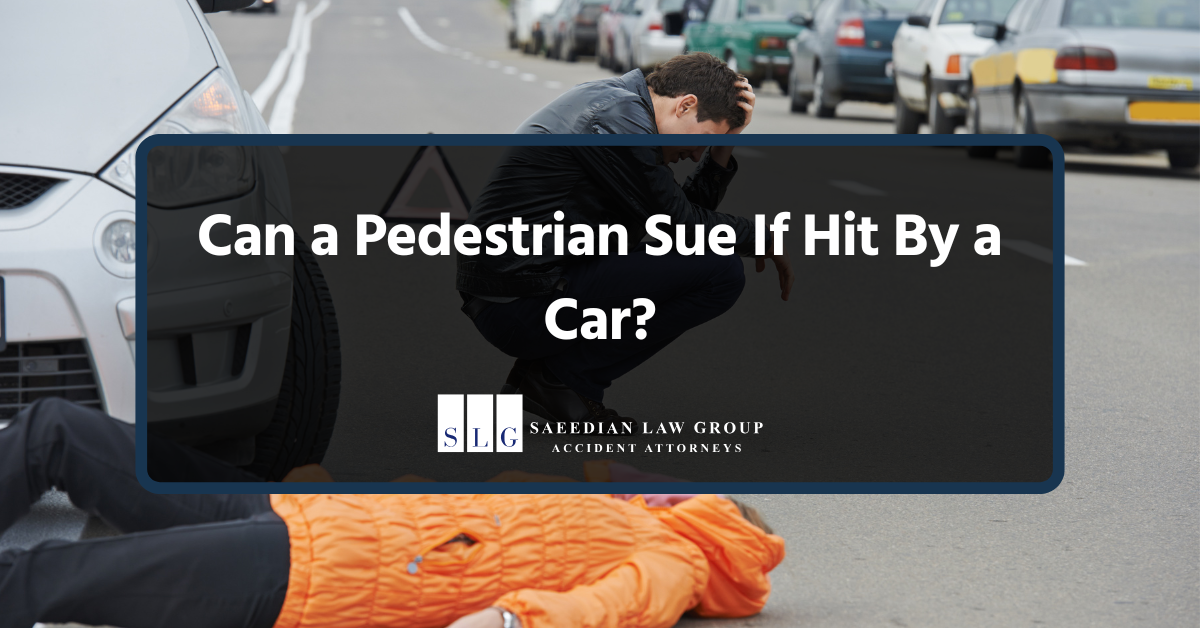
Yes, a pedestrian can sue the driver if hit by a car. The compensation usually covers medical bills, lost income, pain and suffering, and other damages caused by the accident. However, the success of the claim depends on factors such as proving driver negligence, the severity of injuries, and whether the pedestrian shared any fault. If you’re hit by a car, you need to understand the legal processes involved and work with an experienced personal injury lawyer to protect your rights and recover full compensation.
At Saeedian Law Group, we’ve helped personal injury victims in California recover more than $100 million in compensation. With 16+ years of experience, our pedestrian accident attorneys understand how to build strong pedestrian accident claims, handle insurance companies, negotiate fair compensation, or represent you in court. Contact us today for a free consultation.
This blog will explain when and how pedestrians can sue after being hit by a car, situations that may affect liability, and the steps you should take to protect your claim.
What Are Pedestrian Rights on the Road?

The California Department of Motor Vehicles (DMV) defines the laws and rules of the road in the state. According to the DMV’s Driver’s Handbook, a pedestrian is a person walking or traveling on something other than a vehicle or bicycle. This category also includes people with disability moving with a tricycle, quadricycle, or wheelchair.
In California, pedestrians are generally considered vulnerable road users, which is why traffic laws give them special protections. The pedestrian right-of-way laws define the responsibilities of vehicle drivers to make movement safer and reduce pedestrian accidents caused by motor vehicles. As a pedestrian, understanding these rights help you stay safe and also hold drivers accountable if something goes wrong. The laws include the following:
- Right of Way at Crosswalks: Pedestrians generally have the right of way when using crosswalks.When a pedestrian is crossing the street at a marked crosswalk or at an intersection, drivers must stop and allow them to cross safely. This applies whether there are traffic lights or not. Even at unmarked crosswalks, which are often found at intersections, pedestrians usually have the right of way.
- Pedestrians who are partially or totally blind, using guide dogs or white canes, have the right-of-way at all times. So, drivers must be careful when they are turning or backing up. This is particularly important for hybrid or electric vehicle drivers because blind pedestrians rely on sound to know there is a vehicle nearby.
- Use of Sidewalks and Roadways: When sidewalks are available, pedestrians are expected to use them instead of walking in the roadway. A car owner who is entering or exiting driveways, alleys, or parking lots must stop and yield to anyone walking on the sidewalk. If no sidewalk is present, the law require pedestrians to walk on the left side of the road facing traffic. This makes them more visible to oncoming vehicles and helps reduce accidents.
- General Duty of Care for Drivers: Even if a pedestrian makes a mistake, such as crossing outside a crosswalk, drivers still have a duty to avoid hitting them. Traffic rules require drivers to stay alert, reduce speed when necessary, and always watch out for pedestrians. In other words, drivers must exercise extra care when people are walking nearby.
- Pedestrian Safety Responsibilities: Pedestrians also have a responsibility to follow traffic signals. For example, they can only cross when the “walk” sign is on. If the signal shows “don’t walk” or a red hand, pedestrians must wait. Crossing against a red light or outside designated crosswalks (jaywalking) can put pedestrians at risk and may reduce their legal protection if an accident occurs.
Can A Pedestrian Sue If Hit By A Car in California?
Yes, a pedestrian can sue if they are hit by a car. In most cases, the driver of the car may be held legally responsible if they were negligent, such as by speeding, running a red light, or failing to yield. The injured pedestrian can file a personal injury claim to recover damages for medical bills, lost wages, pain and suffering, and other related costs.
Only about three percent of personal injury cases end up in court, according to the U.S. Bureau of Justice Statistics. This means that most personal injury cases are resolved through out-of-court settlements. During the settlement negotiations, the pedestrian and the at-fault driver, through their attorneys, agree on a settlement amount that is considered fair compensation for the damages. The driver’s insurance company pays the agreed amount to the plaintiff.
However, if the settlement negotiations are unsuccessful, the case may proceed to trial. In court, a jury or judge determines the compensation amount, and how much the at-fault driver pays depends on the clarity of fault. If the pedestrian’s negligence contributed to the accident, they may share liability with the driver under California’s pure comparative negligence rule.
If you’re hit by a car, it’s always best to consult with an experienced personal injury attorney before you sue the driver. The attorney can help you assess the situation and understand your rights. They also help gather evidence, represent you in settlement negotiations or in court, and guide you through the process.
Legal Grounds for a Lawsuit After a Pedestrian Accident
The primary legal ground for most pedestrian car accident lawsuits is NEGLIGENCE. In a nutshell, negligence tries to establish that the driver failed to act with reasonable care. To win the case, the injured party must prove that the driver’s actions (or lack of action) directly caused the accident and resulting injuries. Let’s discuss the most legal grounds in detail.
- Driver Negligence – A pedestrian hit by a car can file a personal injury lawsuit if the driver was negligent in any way that led to the accident. Examples include speeding, distracted driving, driving under the influence (DUI), ignoring traffic signals, or failing to yield at a crosswalk.
- Violation of Traffic Laws – A pedestrian can also sue if the driver broke a specific traffic law, such as running a red light, failing to stop at a stop sign, or not yielding at a pedestrian crossing. Courts often view traffic violations as clear evidence of fault.
- Reckless or Intentional Conduct – In some cases, a driver’s behavior goes beyond simple negligence and becomes reckless or intentional. For example, say a driver deliberately drives through a crowd or ignores obvious road risks. The pedestrian can sue not only for compensation but may also be entitled to punitive damages.
- Dangerous Road or Property Conditions – If the car accident was caused by unsafe road conditions, the pedestrian may sue the responsible government agency under the California Tort Claims Act (CTCA). Examples of unsafe conditions in this regard include poorly designed crosswalks, broken traffic signals, obstructed signage, or inadequate lighting.
- Comparative Negligence Laws: If a pedestrian was partly responsible, such as crossing outside a crosswalk or ignoring signals, they may still file a lawsuit. However, their compensation could be reduced based on their percentage of fault as determined by the court.
When a Pedestrian Might Not Be Able to Sue
Inasmuch as a pedestrian has the right to take legal action against a negligent driver after an accident, there are situations where they may not be able to successfully sue after an accident. Understanding such situations will help you know the right steps to avoid legal trouble.
If the pedestrian was fully at fault in the accident, they may not have grounds for a personal injury lawsuit. For example, running into the street suddenly, crossing against a red light, jaywalking, or stepping in front of traffic without giving drivers a chance to stop, can make the pedestrian fully liable. In such cases, the driver is not considered negligent.
If the pedestrian cannot provide sufficient evidence to prove the driver’s negligence, their lawsuit might fail. Even if the pedestrian believes the driver was at fault, they need proof. That’s why it’s important to collect evidence such as witness accounts or video footage.
In states that practice contributory negligence, a pedestrian cannot sue for damages if they were partly at fault. Under pure comparative negligence, a pedestrian cannot sue even if they’re 1% at fault. Example of states in this category include Maryland and North Carolina.
However, most states use modified comparative negligence laws. Here, you can only file for compensation if your negligence is less than 50%. Some states also use 51% as the benchmark. But under pure comparative negligence, you can recover damages according to your degree of fault. This means that even if you’re 99% at fault, you can still get compensated for the 1% you’re not at fault.
Moreover, if the pedestrian was hit but did not suffer any actual injury or financial loss, they may not have a legal basis to sue. For a successful lawsuit, a pedestrian must prove actual damages, such as medical bills, lost wages, or pain and suffering.
What Should You Do After Being Hit by a Car?
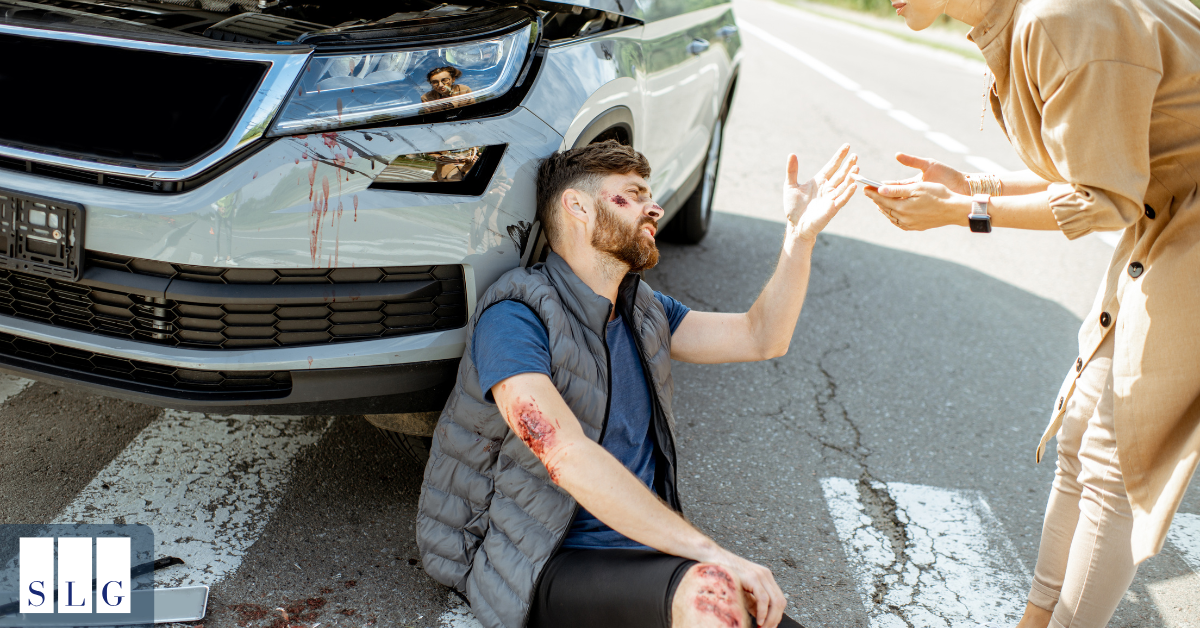
After an accident, your next steps can significantly affect your health, medical care, peace of mind, and compensation. That’s why you should learn the right steps to take to protect your health and legal rights. Here are some guidelines you can follow:
Seek Medical Attention Immediately
Your health should be the first priority. Even if you feel fine, some injuries like concussions or internal bleeding may not show symptoms right away. Call 911 or get checked by a doctor as soon as possible so you can get an official medical report of the injuries suffered.
Contact the Police
Make sure you report the accident to law enforcement. A police report provides an official record of what happened and may include details like witness statements and the driver’s information. This report can serve as important evidence later.
Gather Evidence at the Scene
If you can, take photos of the accident scene, your injuries, the vehicle, and anything else that may be relevant. Get contact information from witnesses and the driver too. You should also document the weather conditions, road conditions, crosswalk, road signs, or any other detail that might have contributed to the crash. These details will help support your claims should you file for a claim or go to trial.
Avoid Admitting Fault
The police or other law enforcement agents may ask you some questions when they arrive. Cooperate with them, but make sure you don’t admit fault. Do not apologize or admit blame, even casually, because the statements you make at the scene could be used against you later. Stick to sharing the facts when speaking with police or insurance companies.
Avoid Talking to Insurance Alone
It may seem easier to settle things quickly after an accident, but talking to insurance adjusters too soon can hurt your claim and reduce your compensation. The at-fault driver’s insurance may try to minimize payments, so it’s best to get a personal injury attorney to speak to them instead. Moreover, avoid signing any documents on the spot.
Reach out to a Pedestrian Accident Attorney
Speaking with a personal injury lawyer first can help you assess the situation, understand your rights, and figure out the best next step. Your pedestrian accident lawyer can also help you estimate the true value of your damages, build a strong case from the start, and negotiate with insurance companies. In case the settlement fails, the lawyer can represent you in court to increase your chances of winning the case.
What Damages Can a Pedestrian Sue For?

After an accident, a pedestrian can sue for compensation for both financial and non-financial losses. This depends on how severe the injury is and the impact it has on their daily life.
- Medical expenses (emergency care, rehabilitation, future treatments): The compensation covers costs of surgeries, hospital stays, physical therapy, prescription medications, and long-term rehabilitation.
- Lost wages and loss of earning capacity: This covers income lost due to accident-related disability, which affects the pedestrian’s ability to work and earn.
- Pain and suffering: Compensation covers the physical pain and discomfort experienced after the accident and during recovery.
- Emotional distress: This includes damages for mental and emotional trauma such as anxiety, depression, PTSD, and sleep disturbances.
How Much Money Could You Get If You Were Hit by a Car?
The amount of compensation received in a pedestrian accident case depends on the severity of the accident and the medical expenses incurred.
- Minor injuries: Accident claims involving minor injuries like bruises, sprains, or cuts typically settle for $5,000 to $50,000. These amounts reflect the cost of emergency care, physical therapy, and short-term work disruption.
- Moderate injuries: Moderate injuries like broken bones, concussions, or serious soft tissue damage can result in settlements between $15,000 and $75,000. For example, if a broken leg requires surgery and causes several months off work, with $20,000 in medical bills and $15,000 in lost wages, the case might settle for $35,000 to $60,000, taking into consideration pain, suffering, and future medical care.
- Severe injuries: Serious injuries, such as traumatic brain injuries or spinal cord injuries, can lead to settlements ranging from $100,000 to millions of dollars. These settlements are meant to cover extensive medical treatment, long-term rehabilitation, lost earning capacity, and the major impact on the victim’s quality of life.
- Permanent disability or life-altering injuries: Settlements range from $100,000+ to millions, covering long-term care, rehabilitation, and reduced quality of life.
- Wrongful death cases (filed by family): For pedestrian fatalities, damages often range from $500,000 to $5,000,000 depending on the state laws and factors such as the victim’s age, income and dependence of the surviving family members.
Note that these amounts mentioned above are broad ranges and might not accurately apply to your unique case. If you’re injured in a pedestrian accident, it’s best to speak with our experienced personal injury attorney to assess your case and provide general legal guidance.
How to Maximize Your Pedestrian Accident Claim
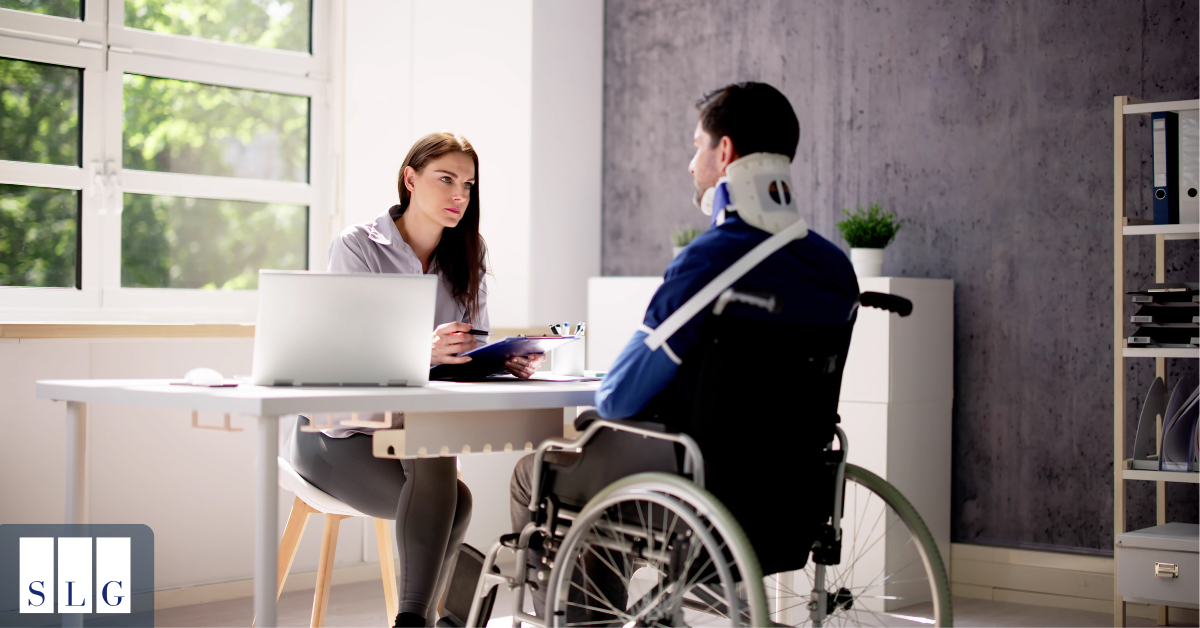
After a pedestrian accident, the amount you receive in compensation depends on the strength of your case and how well you handle the claim process. Taking the right steps can help ensure you recover the maximum amount for your injuries, financial losses, and emotional suffering.
First, get immediate medical care. Seeking medical attention right away not only protects your health but also creates a clear medical record linking your injuries to the accident. Follow your medical professional’s instructions carefully and attend all follow-up appointments to show that your injuries are serious and require ongoing care.
Secondly, collect strong evidence because it is key to determining fault and damages. Take photos of the accident scene, your injuries, and the vehicle involved. Gather witness statements, keep copies of medical bills, and track how the accident affects your daily life. The more documentation you have, the stronger your claim.
Thirdly, avoid early settlement offers. Insurance companies often make quick settlement offers to save money. These offers are usually far less than what your case is worth. Do not accept any settlement until you understand the full extent of your injuries and future expenses. It might be better to wait until you reach maximum medical improvement before estimating medical bills for your insurance claim.
Moreover, keep detailed records. Maintain a journal of your recovery, including pain levels, emotional struggles, and limitations in daily activities. Also, save all receipts and records related to medical care, transportation, and other accident-related costs. These details make your claim more persuasive.
Ultimately, work with a personal injury lawyer. An experienced lawyer can negotiate with insurance companies on your behalf, calculate the true value of your claim, and fight for maximum compensation. They also know how to challenge unfair tactics used by insurers to reduce payouts.
Experienced a Pedestrian Car Accident? We Can Help
If you’ve been struck by a vehicle, California law gives you the right to hold negligent drivers accountable and pursue financial compensation. To strengthen your case, it’s important to seek immediate medical attention, document the accident, gather evidence, and avoid early settlement traps from insurance companies. In addition, work with an experienced lawyer to ensure you understand your rights and take the right legal steps.
If you or a loved one were involved in a pedestrian accident, Saeedian Law Group is here to help. As experienced personal injury lawyers in California, we can guide you through the legal process, negotiate with insurers, and fight for the full compensation you deserve. Schedule a free consultation with us today.
FAQs About Pedestrian Accident Cases
Our attorneys with over 16 years of experience at Saeedian Law Group have provided straightforward answers to some of the most common concerns you may have about pedestrian car accident lawsuits.
How Long Do I Have to Sue After Being Hit by a Car?
The time limit to file a lawsuit, known as the statute of limitations, varies by state. In California, you typically have two years from the date of the accident to file a personal injury claim. Missing this deadline can prevent you from recovering any damages.
What Happens When a Person Gets Hit by a Car?
When a pedestrian is hit by a car, they may sustain injuries ranging from minor bruises to severe trauma, including broken bones, head injuries, or internal bleeding. The driver may be held responsible if negligence caused the accident, and the pedestrian may be entitled to compensation for medical bills, lost wages, and pain and suffering.
Who Is at Fault if a Car Hits a Pedestrian in a Parking Lot?
Fault in a parking lot accident depends on the specific circumstances. Drivers generally must yield to pedestrians in designated walkways or crosswalks, but pedestrians must also exercise caution. Liability can be shared if both parties acted carelessly.
Do I Need a Lawyer to Sue After Being Hit by a Car?
While you can technically file a claim without a lawyer, having an experienced personal injury attorney significantly increases your chances of getting fair compensation. Lawyers handle negotiations, gather evidence, and ensure insurance companies don’t take advantage of you.
Can I Still Sue if I Was Jaywalking?
Yes, you may still be able to sue even if you were jaywalking, but your compensation could be reduced. Most states follow comparative negligence rules, meaning your damages are decreased by the percentage of fault assigned to you.
What if the Driver Doesn’t Have Insurance?
If the driver doesn’t have insurance, you can still pursue compensation through your own insurance company if you have uninsured motorist coverage. Alternatively, you may need to file a personal injury lawsuit directly against the driver to recover damages.

Michael Saeedian founded Saeedian Law Group in 2009 with the goal of providing injured individuals and their loved ones with caring, personalized, and attentive legal representation.