

Proving liability in cases of wrongful death requires careful investigation, strong evidence, and expert legal guidance. If you’ve lost a loved one under possible wrongful death circumstances, it’s important to understand the key elements you need to prove liability and the legal processes involved.
To establish liability in a wrongful death case, you must prove four key elements: duty of care, breach of duty, causation, and damages. Doing so often involves practical steps such as thoroughly investigating the incident, gathering all relevant evidence, working with experts, identifying all potentially responsible parties, analyzing the defendant’s conduct, and documenting the impact on the family.
At Saeedian Law Group, we’ve helped families of wrongful death victims across California pursue justice after losing loved ones to negligence. With 16+ years of experience and millions recovered for our clients, our wrongful death attorneys know how to investigate fatal accidents, prove negligence, calculate full damages, and fight for the full compensation your family deserves. Contact us today for a free consultation and let us stand with you during this difficult time.
This blog covers everything you need to know about liability in cases of wrongful death, who can be held liable, the four key elements needed to establish liability, examples of real cases, and how an attorney can help prove negligence and protect your family’s rights.
What is Liability in Cases of Wrongful Death?

In wrongful death cases, liability refers to the legal responsibility placed on a person or organization whose actions or failures caused someone’s wrongful death. A wrongful death happens when a person dies because another party acted negligently, recklessly, or intentionally. That means the victim’s death could have been prevented with proper care. The most common types of wrongful death lawsuits are car accidents, medical malpractice, workplace accidents due to employer negligence, defective products, nursing home neglect, and pedestrian or bicycle accidents.
Proving liability in wrongful death lawsuits is necessary because it connects the wrongful act to the death and allows the victim’s family or estate to seek compensation. Without proving who is responsible, the court cannot award damages such as funeral expenses, lost income, medical expenses, or loss of companionship.
To hold someone liable, you must prove four key elements: duty of care, breach of duty, causation, and damages. This means you must show that the liable party had a duty to act safely, they breached that duty, and their actions directly led to the death.
Who Can Be Held Liable in a Wrongful Death Case?
Any person or entity whose careless or intentional behavior leads to a fatal incident can be held liable in a wrongful death action. Liable parties may be individuals, businesses and companies, hospitals and medical providers, manufacturers and product designers, government agencies, etc. In many situations, multiple parties may share liability, especially when several actions or failures combined to cause the death.
For example, wrongful death liability may fall on individuals such as drivers who cause car accidents, property owners who ignore safety hazards, doctors or healthcare professionals in medical malpractice cases, and individuals involved in violent acts. Employers and businesses can be held liable when their employees cause harm while on the job or when they fail to maintain safe conditions. Companies involved in designing, producing, or distributing defective products may also be liable if the defect causes a fatal or serious injury that leads to death.
Moreover, government entities may be responsible for wrongful deaths caused by unsafe public infrastructure, negligent public employees, or incidents involving police or emergency services. In California, these claims follow special rules under the California Tort Claims Act, and more than one department or agency can share liability depending on the circumstances.
Key Elements Needed to Establish Liability in Wrongful Death
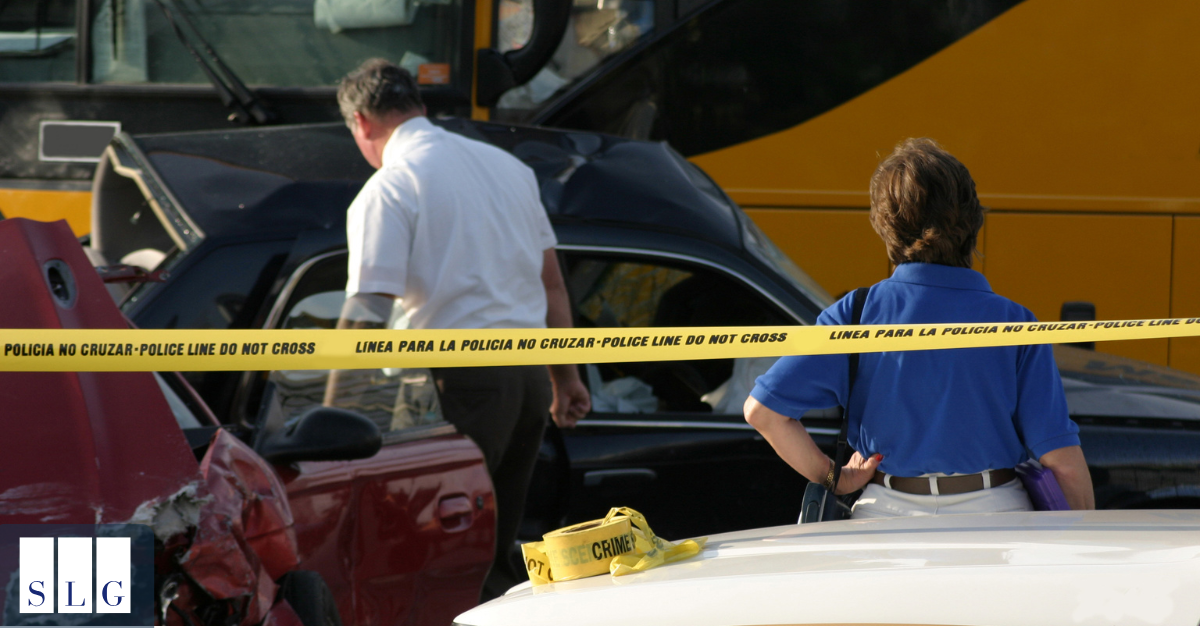
To hold someone legally responsible for a wrongful death, the claimant must prove four essential elements that connect the defendant’s actions to the fatal outcome. These elements help show what went wrong, who caused it, and why the family deserves compensation. The four key elements include:
1. Duty of Care
First, you must establish that the defendant had a legal duty to act safely or reasonably toward the victim. Examples include drivers following traffic laws, doctors providing proper medical care, and property owners maintaining safe conditions. Without a recognized duty, the claim cannot move forward.
2. Breach of Duty
Next, you must prove that the defendant failed to meet that duty. A breach of duty means when someone behaves carelessly, recklessly, or fails to take action when a reasonable person would have taken. Such breaches may involve speeding, distracted driving, medical negligence, failure to supervise employees, ignoring safety hazards, or releasing a defective product.
3. Causation
To establish liability, the claimant must prove that the wrongful action was the direct or primary cause of the fatal incident, not a coincidence or unrelated event. For example, if a distracted driver hits a pedestrian, the connection between the driver’s conduct and the death must be clear and provable. Some causations are straightforward, such as drunk-driving. Others are more complex such as in medical malpractice cases where multiple factors contributed to the death.
4. Damages
Lastly, the family must show that the death resulted in identifiable losses. These damages can be financial, emotional, or both. Common damages include funeral and burial expenses, medical bills from the final injury or illness, lost income or benefits, loss of companionship or support, and other impacts on the family’s well-being. Without proven damages, the court cannot award compensation.
How to Prove Negligence in a Wrongful Death Case
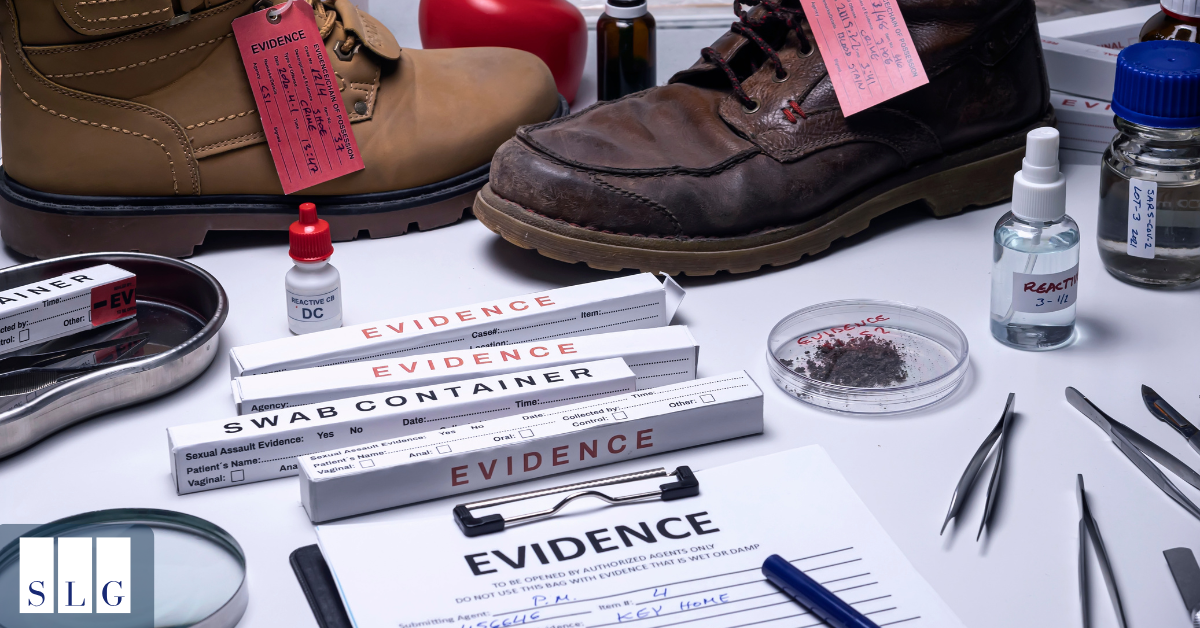
Proving negligence in a wrongful death case involves gathering clear evidence that shows how the defendant’s actions led to the fatal incident. If you’re filing a wrongful death lawsuit, here are practical steps you can take to prove negligence and recover compensation.
- Investigate the Incident Thoroughly: The process begins with a detailed investigation of how the death occurred. This may include visiting the scene, reviewing surveillance footage, examining physical evidence, interviewing eyewitnesses, and collecting any available reports. The goal is to reconstruct the events leading up to the death and identify any wrongdoing.
- Gather All Relevant Evidence: As you investigate, collect every piece of evidence you can find. Get accident reports, medical records, photos or videos, surveillance footage, witness statements, safety inspection reports, product information, police reports, and any written communication related to the incident. Strong evidence helps create a clear picture of the events leading to the death.
- Work With Experts: Experts play a major role in proving negligence, especially in medical malpractice, product liability, construction accidents, or cases involving technical evidence. Medical experts, accident reconstructionists, engineers, or safety specialists can explain how the defendant’s actions fell below accepted standards and how those failures caused the death.
- Identify All Potentially Responsible Parties: Because multiple parties may share liability in a wrongful death case, it’s important to determine everyone who may have contributed to the incident. This may include individuals, employers, manufacturers, property owners, medical providers, or government agencies. Identifying all responsible parties ensures the family can pursue full compensation.
- Analyze the Defendant’s Conduct: Attorneys carefully examine the defendant’s behavior before, during, and after the incident. They check for safety violations, reviewing company policies, analyzing phone records, tracking past complaints, or identifying patterns of improper conduct. Clearly identifying the wrongful action strengthens the case.
- Document the Impact on the Family: Finally, the family must show how the death created real losses. This includes financial records, testimony from loved ones, employment information, and evidence of household contributions. These details help link the defendant’s negligence to the damages the family is seeking.
Examples of Cases of Wrongful Death
Understanding real wrongful death examples helps show how negligence, recklessness, or misconduct can lead to legal liability. These examples highlight how courts and families have handled different types of wrongful death claims, from police shootings to medical negligence and fatal traffic incidents.
1. Botham Jean Case (Police-Related Wrongful Death)
This is a civil rights wrongful death case. In September 2018, Botham Jean, a 26-year-old accountant, was shot and killed in his own Dallas apartment by off-duty police officer Amber Guyger. Guyger said she mistakenly entered his unit, believing it was her own, and shot him thinking he was an intruder. In 2024, a federal jury found Guyger civilly liable for violating Jean’s rights and awarded his family $98.65 million in damages, including compensation for his suffering, loss of life, and punitive damages intended to deter similar conduct.
2. Michael Jackson Case (Medical Malpractice Wrongful Death)
This is a medical negligence wrongful death case. After Michael Jackson died in 2009 from a fatal dose of propofol, his family sued his doctor, Dr. Conrad Murray, and the concert promoter AEG Live. They argued that Murray was medically negligent in giving Jackson the anesthetic, and that AEG was negligent for hiring him. The jury ultimately found AEG not liable, deciding that although they hired Murray, he was not proven unfit to perform his duties when hired.
3. Jaahnavi Kandula Case (Pedestrian Wrongful Death)
In 2023, Jaahnavi Kandula, a 23-year-old graduate student in Seattle, was struck and killed by a police officer driving a patrol car at high speed, reported at 74 mph in a 25 mph zone. The officer was responding to an emergency call at the time of the collision. The case gained national attention, especially after internal police audio surfaced showing disrespectful remarks about the incident.
Damages You Can Recover in a Wrongful Death Claim
Surviving family members can recover several types of damages in a wrongful death claim. These damages aim to compensate for both financial losses and the emotional impact of losing a loved one. The exact damages depend on the state, but most U.S. jurisdictions, including California, allow recovery for both economic and non-economic harm.
Economic damages cover the measurable financial losses caused by the death. Such damages include funeral and burial costs, medical expenses, lost wages, the value of household services they provided, and any other measurable financial support the family has now lost. These damages help replace the practical contributions that the deceased would have made to their family’s life.
Non-economic damages compensate for the emotional and personal losses that cannot be measured in money. These may include loss of companionship, loss of care, loss of guidance, and the emotional suffering the family experiences because of the death. Some states allow damages for the deceased’s pre-death pain and suffering as well, often through a related “survival action.”
In cases involving extreme misconduct, such as reckless behavior or intentional harm, families may also be able to pursue punitive damages, which are intended to punish the wrongdoer and deter similar actions.
How an Attorney Helps Prove Liability in Cases of Wrongful Death

When a family is dealing with a wrongful death case, proving who is legally responsible can be difficult without the right legal support. An attorney helps organize the facts, gather evidence, and handle the complex steps required to show that someone’s actions directly caused the death. Here are various ways attorneys help prove liability in wrongful death claims.
- The attorney investigates the incident by collecting records, witness statements, and expert opinions to understand what happened.
- They help identify all responsible parties by determining whether one or multiple individuals, companies, or institutions contributed to the death.
- They preserve critical evidence by securing time-sensitive proof such as surveillance footage, phone records, reports, or physical materials.
- The attorney also works with experts by collaborating with medical professionals, accident reconstruction specialists, and financial analysts to support the claim.
- They handle communication with insurers to prevent low settlement offers and avoid tactics that may weaken the case.
- The attorney represents the family in court when a wrongful death settlement cannot be reached, presenting the case before a judge or jury to fight for a fair outcome.
Need an Experienced Wrongful Death Attorney?
Establishing liability in wrongful death cases can be complex, but understanding the key elements and the right steps to take can help you recover compensation faster. By carefully investigating the incident, gathering evidence, working with experts, and identifying all responsible parties, families can build a strong case to recover both financial and emotional compensation for their loss. It’s also helpful to consult with an experienced wrongful death attorney to ensure these steps are handled correctly.
If your loved one’s death may have been caused by someone else’s negligence or misconduct, Saeedian Law Group is here to help you. Our California wrongful death attorneys have the experience, knowledge, and dedication needed to handle these cases, ensuring your family receives justice and full compensation. Schedule a free consultation with us for a free case review.
FAQs
Our wrongful death lawyers with over 16 years of experience have provided some quick answers to some of the most common questions you may have about cases of wrongful death.
What are the common causes of wrongful death cases?
Common causes include motor vehicle accidents, motorcycle accidents, medical malpractice, defective products, workplace accidents, unsafe premises, and incidents involving excessive force or criminal acts. Essentially, any death resulting from someone else’s negligence or intentional misconduct can lead to a legal claim for wrongful death.
What types of damages can be recovered in wrongful death cases?
Families can recover economic damages like medical bills, funeral costs, and lost income, as well as non-economic damages such as loss of companionship, emotional pain, and suffering. In some cases, punitive damages may also be awarded to punish particularly reckless or intentional conduct.
What is the statute of limitations for filing a wrongful death lawsuit?
Wrongful death statute of limitations varies by state. In California, the deadline is generally two years from the date of death. Filing after this period may prevent the family from pursuing legal action, so timely filing is crucial. It’s best to work with an experienced wrongful death attorney who understands the laws in your jurisdiction.
Can a wrongful death claim be filed if the deceased was partly at fault?
Yes, a wrongful death claim can still be filed even if the deceased was partly at fault. In many states, including California, comparative negligence rules apply. This means the compensation may be reduced based on the percentage of fault attributed to the deceased person, but the surviving family can still recover damages from the other responsible parties.
Do I need an attorney to file a wrongful death claim?
While it is possible to file a claim without an attorney, hiring an experienced wrongful death lawyer greatly improves the chances of proving liability and securing full compensation. Attorneys handle evidence collection, negotiations, and court representation, making the process much more manageable for grieving families.

Michael Saeedian founded Saeedian Law Group in 2009 with the goal of providing injured individuals and their loved ones with caring, personalized, and attentive legal representation.